
Best Antivirus Software in 2026: Tested Picks for Every Need
Bitdefender is our best overall pick, Norton is the stronger all-in-one family bundle, and Microsoft Defender is enough for many careful Windows 11 users. We reached those conclusions by separating protection, false alarms, system impact, price and useful extras instead of turning one lab badge into a universal winner.
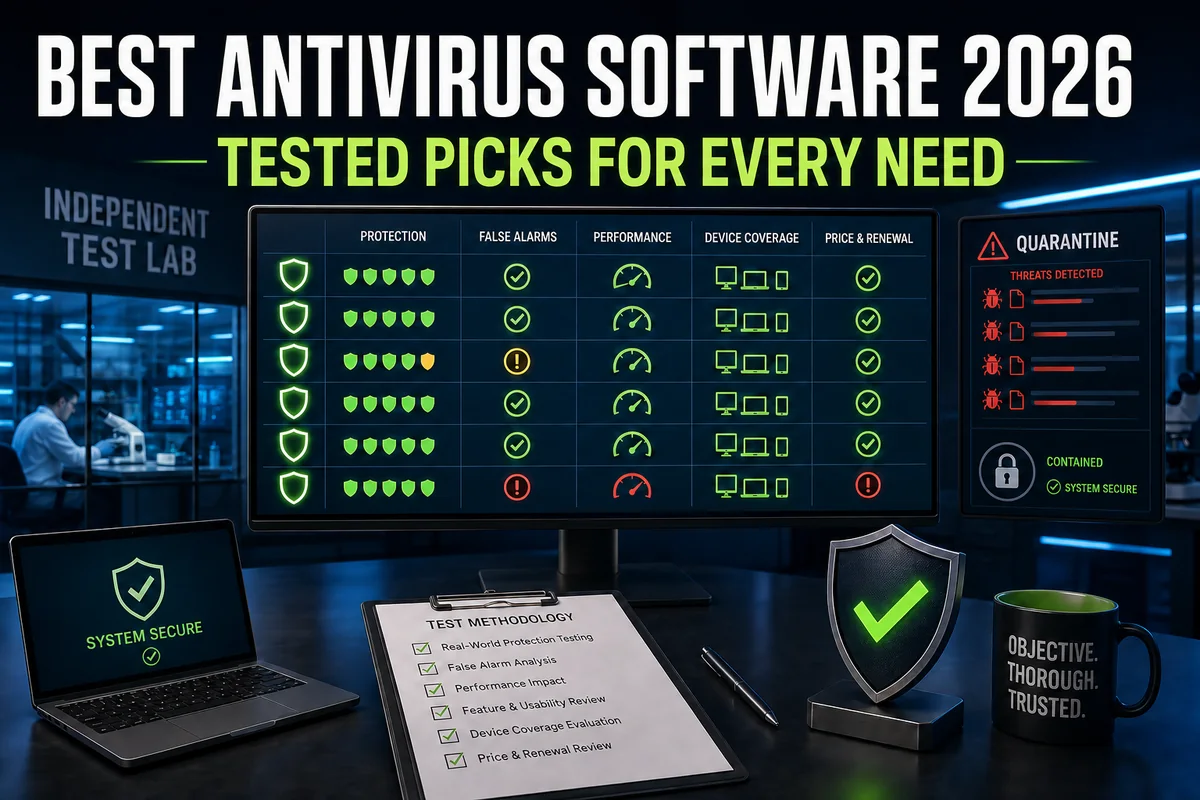
Quick answer: choose Bitdefender Total Security if you want the best balance of current lab protection, cross-platform coverage and useful security tools. Choose Norton 360 Deluxe when five-device family coverage, VPN, parental controls and cloud backup matter more than the renewal price. Keep Microsoft Defender if you run an updated Windows 11 PC, already manage passwords and backups well, and don't need a household security bundle.
Seven credible options. Seven different reasons to choose.
The logo isn't the recommendation. Protection, false alarms, impact, platform fit and long-term price decide which product belongs on a particular device.






The five antivirus picks we would install in 2026
These positions aren't a list of five nearly identical winners. Each product earns its place for a different reason. The lab figures below name the test and period so you can check them yourself. AV-Comparatives protection percentages come from 400 live cases tested from February through May 2026; false alarms are shown separately because blocking a legitimate file isn't protection.
Bitdefender Total Security
The strongest blend of protection, platform coverage and security features without leaning on identity-theft extras that many buyers will never use.
Norton 360 Deluxe
A five-device package with strong protection, low measured system impact, VPN, 50 GB PC cloud backup, parental controls and dark-web monitoring.
Microsoft Defender Antivirus
The right default for many updated Windows 11 PCs: perfect April AV-TEST category scores and zero false alarms in the current AV-Comparatives report.
ESET HOME Security
A good fit for older PCs, gaming systems and people who value low system impact and few false positives more than a large bundle of extras.
Avast One Free
A capable free alternative to Defender with cross-platform apps, strong current lab results and more visible web/scam tools, balanced against its privacy history and upsell model.
What the latest independent antivirus tests actually show
A ranking is only as useful as the evidence behind it. We use two current lab snapshots on this page. AV-TEST evaluated 14 Windows 11 home-user products through March and April 2026. It assigns up to six points each for Protection, Performance and Usability. An 18/18 total doesn't mean “18 points of malware detection”; two-thirds of the score comes from performance and false-positive/usability work.
AV-Comparatives tested 20 products against 400 live web threats from February through May 2026, then ran a separate false-alarm test. That report is useful because it exposes a trade-off a single protection percentage can hide. Microsoft Defender blocked fewer of the 400 cases than Bitdefender, but it recorded zero false alarms. Trend Micro's protection rate was respectable, but 83 false alarms forced its award down. A product that blocks everything by distrusting clean software isn't a practical winner.
| Product | AV-TEST Apr 2026 | AV-C protection | False alarms | Impact score | Best fit |
|---|---|---|---|---|---|
| Bitdefender Total Security | 6 / 6 / 6 | 99.5% | 5 | 9.6 | Best overall balance |
| Norton 360 | 6 / 6 / 6 | 99.3% | 5 | 5.3 | Family bundle |
| Microsoft Defender | 6 / 6 / 6 | 99.0% | 0 | 12.9 | Free Windows baseline |
| ESET | 6 / 5.5 / 6 | 98.5% | 2 | 4.2 | Low impact and accuracy |
| Avast One Free | 6 / 6 / 6 | 99.3% | 5 | 5.5 | Third-party free suite |
| McAfee Total Protection | 6 / 6 / 6 | 98.5% | 4 | 3.3 | Identity and many devices |
| Kaspersky Premium | 6 / 6 / 6 | 99.8% | 3 | 3.5 | Non-US users only |
Sources: AV-TEST Windows 11 home-user results, April 2026; AV-Comparatives Real-World Protection, February–May 2026; and AV-Comparatives Performance Test, April 2026. Lower false-alarm and impact scores are better. Results apply to the listed product versions and test setups, not every future version or computer.
How we rank antivirus software without gaming one test
Protection comes first, but “highest percentage wins” is too crude. AV-Comparatives places statistically similar products into clusters because a one-case difference in a finite sample doesn't prove one engine is universally better. We therefore weight repeatable evidence, practical cost and suitability rather than awarding ten products a meaningless perfect score.
35% protection and false positives
Current AV-TEST protection results, AV-Comparatives live-web protection, false alarms and whether the product appears consistently across recent public cycles. Blocking clean software costs a product real credit here.
15% security feature depth
Web and scam protection, ransomware controls, firewall behavior and recovery tools that work at the reviewed tier. Marketing bundles aren't double-counted, and cleanup utilities don't outweigh weak protection.
15% price and renewal value
Exact tier, device count, first-year offer and published renewal price. A large intro discount isn't treated as the long-term cost, and renewal terms have to be findable before checkout.
15% performance and reliability
The April 2026 AV-Comparatives low-end PC report, stable operation, and product-level observations only after the corresponding review has passed its own fact-check.
10% usability and support
Clear defaults, actionable warnings, manageable notifications, clean removal and support routes a buyer can actually reach.
10% platform and use-case fit
Windows, macOS, Android and iOS support; device limits; parental controls; and whether the features actually exist on each platform rather than on the pricing page.
Trust and availability are a veto, not a weight. A vendor can't buy back a legal restriction or a material privacy record with five points. Where a product can't be lawfully sold or updated in a market, we publish a conditional verdict and say who shouldn't buy it — Kaspersky's excellent 2026 lab results and its US prohibition are reported separately, because they answer different questions. Ownership, privacy history and billing clarity are disclosed in the review rather than folded into a score. The full rubric, including how a page may adjust a category and must disclose it, lives on How we test.
We don't award points for Trustpilot volume, affiliate payout or the number of features printed on a pricing page. User reviews can reveal billing and support patterns, but they aren't malware tests. Likewise, a vendor's “100% protection” guarantee is a commercial promise, not proof that every threat will be blocked.
Is Microsoft Defender enough for Windows 11 in 2026?
Yes, for many people. If Windows 11 is fully updated, SmartScreen and browser protections are enabled, your account doesn't run every task as administrator, and you already use good backups plus a password manager, Microsoft Defender is a credible free default. It earned 6/6/6 at AV-TEST in April and recorded zero false alarms in AV-Comparatives' February–May report.
The reason to buy another antivirus is usually not that Defender has no malware protection. It's that you want a simpler cross-platform package for a family, stronger third-party web/scam filtering across browsers, a bundled VPN, parental controls, cloud backup, identity monitoring or support that doesn't require navigating Windows settings.

- You use one or two updated Windows 11 PCs.
- You already have backups, a password manager and browser protection.
- You don't need family-device management or identity services.
- You prefer fewer background apps and subscription prompts.
- You manage Windows, Mac, Android and iPhone devices together.
- Children or less technical relatives share the plan.
- You want VPN, parental controls, backup or identity monitoring in one bill.
- You routinely handle risky downloads or need a different web-protection layer.
Defender also doesn't make unsafe behavior safe. Cracked software, fake installers, unknown browser extensions and reused passwords can defeat any product. If an infostealer has already run, installing a better antivirus isn't enough: disconnect the device, clean or reinstall from trusted media, rotate passwords from a clean device and revoke active sessions.
Detailed verdicts: who each antivirus is really for
1Bitdefender Total Securitybest overall
Bitdefender earns the first position because it sits in the top AV-Comparatives protection cluster, posted a perfect April AV-TEST total and covers Windows, macOS, Android and iOS under one five-device plan. The current US Total Security page lists $59.99 for the first year. It includes a password manager, ransomware protection, scam protection and a Standard VPN limited to 200 MB per day per device.
Buy it if: you want a well-rounded security suite and prefer protection depth over the lightest possible background footprint. Skip it if: unlimited VPN is essential; that requires a higher Bitdefender tier, and the 200 MB daily allowance is too small for normal streaming or travel use. Also skip it if a configurable firewall tends to disrupt specialist software you can't easily whitelist.
Community discussions often recommend Bitdefender, but they also surface false-positive and configuration stories. Treat those as prompts to use the trial on your own hardware, not as proof that a product is either flawless or broken.
2Norton 360 Deluxebest all-in-one family package
Norton is the cleaner choice when the buyer wants one subscription to cover five devices with antivirus, VPN, dark-web monitoring, parental controls and 50 GB of PC cloud backup. Protection was 99.3% with five false alarms in the latest AV-Comparatives report, and its Total Impact Score of 5.3 was better than Bitdefender's 9.6 on the same low-end test machine.
The catch is billing. Norton's official US product page showed $49.99 for the first year on July 14, while its renewal list effective March 2026 showed $124.99 per year for Deluxe. That isn't a hidden technicality; it changes the three-year cost. Turn off auto-renew if you want to reconsider before the renewal date, and save the checkout terms.
Buy it if: the bundle replaces separate VPN, backup and family tools you'd otherwise pay for. Skip it if: you only need malware protection on one Windows PC, dislike subscription upsells or already pay for better standalone versions of the extras.
3Microsoft Defenderbest free Windows baseline
Defender isn't a consolation prize. Its the 2026 lab results are competitive: 6/6/6 in April AV-TEST, 99.0% protection and zero false alarms in the February–May AV-Comparatives test. It's integrated with Windows Security, Windows Firewall and SmartScreen, updates through Windows, and steps back when a registered third-party real-time antivirus takes over.
Its weaknesses are mostly about package fit and interface. It doesn't give a household the same unified cross-platform dashboard as the paid suites, and some of Microsoft's strongest reputation checks work most naturally inside its own browser and Windows services. Power users can harden Defender, but a default consumer shouldn't copy aggressive policy settings from a random forum without understanding the false-positive and usability cost.
Use it if: you're disciplined about updates, downloads, browser extensions, backups and account security. Replace it if: the people you support need clearer warnings, one cross-device console or paid support.
4ESET HOME Securitybest low-impact paid antivirus
ESET's current numbers make a more precise case than the old marketing label “lightest antivirus.” In the April AV-Comparatives performance test it posted a 4.2 impact score, one of the lowest. In the Real-World test it produced only two false alarms, also among the best results. Protection was 98.5%, below the first cluster but still strong, and AV-TEST scored it 6 for Protection, 5.5 for Performance and 6 for Usability.
That combination suits older PCs, gaming rigs and users who value control. ESET also gives experienced Windows users features such as HIPS and UEFI-focused protection without forcing a large identity bundle. The trade-off is that the product can feel more technical, and the official plan selector varies price by tier and device count. We don't publish a single fixed ESET price until the exact configuration is selected.
Buy it if: low impact and few nuisance blocks matter more than bundled backup or identity services. Skip it if: you want the simplest family setup or expect every premium extra in the base tier.
5Avast One Freebest free third-party suite
Avast One Free combines a $0 entry point with perfect April AV-TEST category scores, 99.3% AV-Comparatives protection and a 5.5 system-impact score. It's a reasonable alternative for people who want more visible web, scam and ransomware tools than the Windows Security interface offers, or who want a recognizable free product across more than one platform.
The caveats are material. Free security products make money by selling upgrades, so prompts are part of the experience. Avast also carries a privacy history that shouldn't be hidden: the US Federal Trade Commission said the company and its Jumpshot subsidiary sold detailed browsing data collected between 2014 and 2020 without adequate notice and consent. The 2024 order restricted sale or licensing of browsing data for advertising and required a $16.5 million payment. That history doesn't invalidate current malware-test results, but it belongs in a trust assessment.
Use it if: you want a no-cost third-party suite and accept upgrade prompts. Skip it if: the historical privacy issue is disqualifying or you prefer Windows' quieter built-in option.
6. McAfee+ — best when identity protection drives the decision
McAfee posted the lowest impact score in AV-Comparatives' April performance test: 3.3. It also earned 6/6/6 at AV-TEST. Its Real-World protection result, 98.5% with four false alarms, was good but didn't lead the field. That's why we recommend McAfee by use case rather than calling it the strongest malware engine.
The current US site emphasizes scam protection, secure VPN, data-cleanup and identity-monitoring services, with offers that change by tier. A $49.99 Premium offer and an $89.99 Advanced offer were visible during our July 14 check. McAfee can make financial sense when those US identity services replace separate subscriptions and unlimited-device coverage is genuinely needed.
Buy it if: identity restoration, monitoring and many-device coverage are the main reasons you're shopping. Skip it if: you want a simple antivirus-only purchase or live outside the market where its identity benefits apply.
7. Kaspersky Premium — technically excellent, not for US users
Kaspersky led the latest AV-Comparatives Real-World table at 99.8% protection, recorded three false alarms, posted a 3.5 impact score and earned 6/6/6 at AV-TEST. Those are excellent technical results. The geographic restriction is separate and decisive for this site's US-facing recommendation.
In June 2024, the US Department of Commerce's Bureau of Industry and Security prohibited Kaspersky from providing covered antivirus and cybersecurity products or services to US persons. Covered signature and codebase updates and Kaspersky Security Network operation for US users stopped after September 29, 2024. BIS didn't assign penalties to consumers who still possessed the software, but it urged them to move to another vendor. Therefore Kaspersky isn't a current US choice even though laboratories continue to test versions sold elsewhere.
Consider it only if: you're outside the United States, it's legally sold and supported in your country, and you're comfortable with the jurisdiction issue. Skip it if: you're in the US or need a product whose availability will travel cleanly across regions.
Antivirus prices: compare the renewal, not just the green discount
Antivirus pricing changes by country, campaign, device count and whether the visitor is a new customer. We checked official US pages on July 14, 2026. These are snapshots, not promises that the same offer will appear tomorrow. Taxes may apply.
| Product/tier | Observed intro price | Device count | Renewal shown | What changes the value |
|---|---|---|---|---|
| Bitdefender Total Security Individual | $59.99 first year | 5 | Verify at checkout | 200 MB/day VPN; password manager included |
| Norton 360 Deluxe | $49.99 first year | 5 | $124.99/year | VPN, parental controls, dark-web monitoring, 50 GB PC backup |
| Microsoft Defender | Included | Windows device | Included | No separate suite subscription |
| ESET HOME Security | Configuration-dependent | Selected by buyer | Check selected plan | Good when you pay for low impact, not bundle size |
| Avast One Free | $0 base tier | Platform-dependent | Optional modules | Upsells fund the free product |
| McAfee+ Premium | $49.99 offer observed | Unlimited-device offer | Check offer terms | Value depends on US identity services |
Before paying, capture the checkout screen, confirm whether auto-renewal is enabled, and set a calendar reminder at least 30 days before renewal. A suite that looks cheaper in year one can cost more than a rival across three years. Don't assume a support agent will always offer a retention discount.
Free vs paid antivirus: what are you actually buying?
Free antivirus can provide strong core malware protection. Microsoft, Avast and AVG all earned 6/6/6 at AV-TEST in April 2026. Paying doesn't automatically buy a better detection engine; sometimes the paid and free tiers share core technology. The money usually buys coverage, convenience, support and extras.

A free product is enough when
- You use an updated Windows 11 PC.
- You maintain offline or versioned backups.
- You already use a password manager and browser protection.
- You understand that an on-demand scanner isn't a second real-time shield.
- You don't need family controls or identity services.
A paid suite earns its cost when
- One plan replaces separate VPN, backup or parental-control bills.
- You need one console for several people and platforms.
- Less technical relatives need clearer warnings and support.
- You want cross-browser web/scam filtering and identity monitoring.
- You can verify the renewal cost and will use the included tools.
Don't run two full real-time antivirus products together. They can compete for file hooks, quarantine each other's components, slow the system and make failures harder to diagnose. A main real-time product plus a reputable on-demand second-opinion scanner is a different arrangement, provided the second tool doesn't install another always-on engine.
How to read antivirus lab scores without being misled
Protection rate is a snapshot, not a lifetime guarantee
AV-Comparatives used 400 cases from February through May. One missed case changes the percentage by 0.25 points. Kaspersky's 99.8% and Bitdefender's 99.5% are useful results, but the lab places statistically similar outcomes into clusters for a reason. Read several cycles before declaring a permanent winner.
False positives are part of security quality
A false alarm can block a clean download, break a specialist tool or train a user to ignore warnings. Microsoft's zero, ESET's two and Kaspersky's three are meaningful. Malwarebytes' 39 and Trend Micro's 83 show why a protection percentage alone is incomplete.
Performance results don't measure malware protection
The April AV-Comparatives Performance Test measured file copying, archiving, application installation and launch, downloads, browsing and an office-productivity benchmark on a low-end Windows 11 machine. Its report explicitly says it doesn't measure protection effectiveness. McAfee's first-place impact score doesn't mean it blocked the most malware; Kaspersky led that separate test.
Product names and versions matter
A lab may test Avast One Free while a buyer compares Avast Premium Security, or Norton Antivirus Plus while a retailer promotes Norton 360 Deluxe. Core technology may overlap, but device limits and extras don't. We name the tested product beside the consumer tier we recommend and flag the mismatch where it could change the decision.
How to choose the best antivirus for your devices
Start with the operating systems you actually own
Windows lab results don't automatically describe a Mac or Android app from the same vendor. Apple and Google impose different permissions, and iOS security apps can't scan the whole device like a Windows antivirus. If your household mixes platforms, inspect the feature table for each platform instead of counting the logos on the box. Our platform hubs cover Windows PCs, macOS, Android and iPhone separately.
Choose the risk you need help managing
A parent may value web filtering and family controls. A traveler may need a real unlimited VPN. A gamer may care about low impact and fewer pop-ups. A US household handling elderly relatives' accounts may care more about scam and identity services. “More features” isn't a useful criterion until those features map to a real task.
Test the product on your own hardware
Independent performance results are a controlled comparison, not a promise about your laptop. Use a trial or refund window, run the applications you depend on, check browser and VPN compatibility, and complete both a quick and full scan. If the product blocks a legitimate tool, confirm that its exception workflow is understandable before the refund period ends.
Plan for the day antivirus fails
Keep operating systems, browsers, routers and applications patched. Use unique passwords and phishing-resistant multifactor authentication where available. Maintain a backup that ransomware can't rewrite from the infected machine. Antivirus is valuable, but recovery architecture matters more when a new threat or stolen session cookie gets through.
What current antivirus communities agree and disagree about
We reviewed current discussions in r/antivirus and related support communities to find recurring friction, not to turn anonymous comments into laboratory evidence. The strongest agreement is that there's no single best product for every machine. Bitdefender, ESET and Defender recur in recommendations; Kaspersky remains technically respected outside the US; and renewal prompts, false positives and resource use drive as much dissatisfaction as missed malware.
A June 26 r/antivirus thread about the “best antivirus” split between Bitdefender, ESET, Defender and Kaspersky, with users debating a possible false positive and the limits of human caution. A July 7 thread similarly praised Bitdefender's basic paid tier for low friction while other users preferred ESET or Emsisoft. These are useful product-experience signals, but each machine and workload differs.
The practical takeaway is to choose a defensible shortlist from independent tests, then use community complaints as a trial checklist. If many users mention firewall conflicts, test your VPN and specialist apps. If renewal billing dominates complaints, inspect the checkout and cancellation path. If a product is praised for being light, compare that claim with a controlled performance test and your own system.
Latest 2026 research and threat guides
Go beyond a product ranking with current lab evidence, an auditable pricing dataset and focused guides for the attacks people are dealing with now.
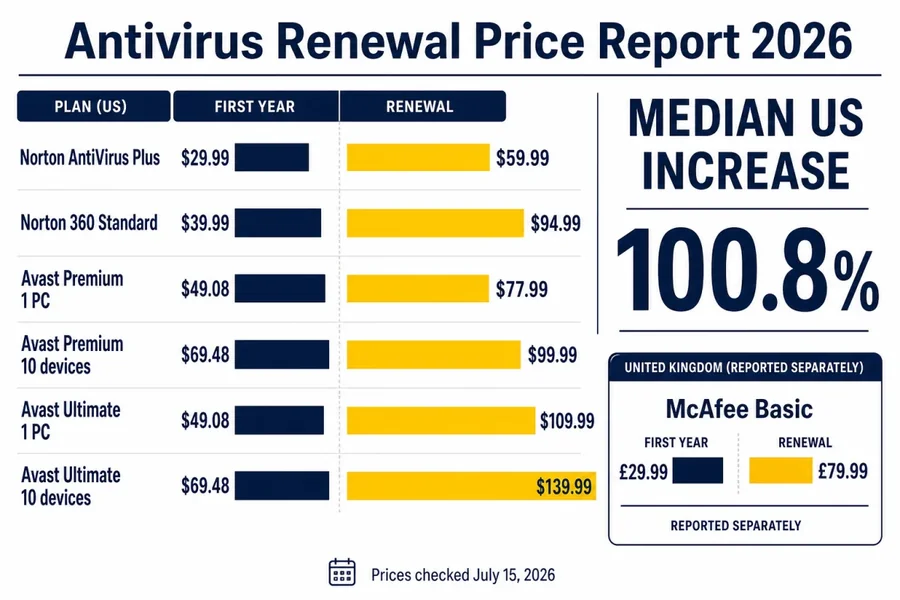
Antivirus Renewal Price Report 2026
Seven official-price rows, currencies kept separate, a 100.8% median US increase and a downloadable source-dated CSV.
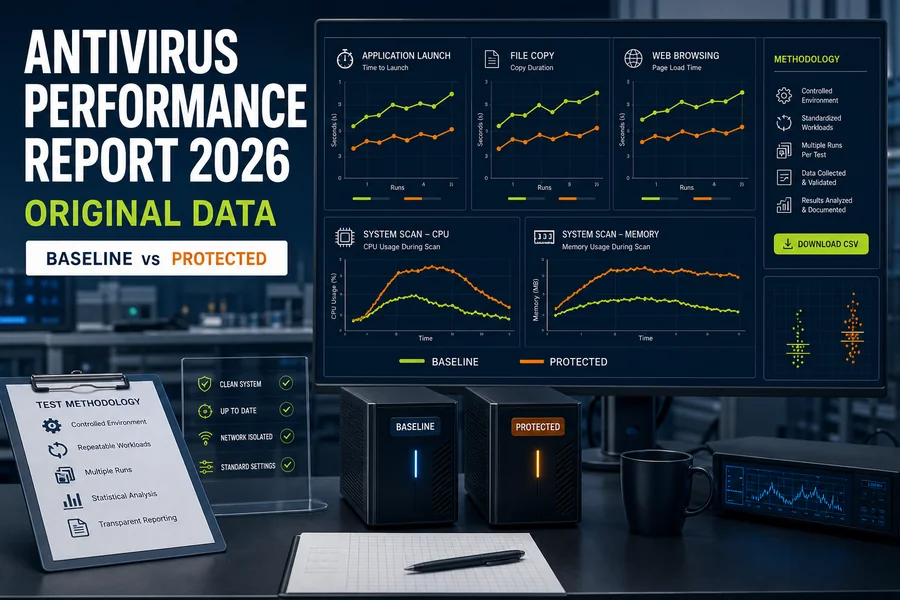
Antivirus Performance Report 2026
Reproducible scan, launch and system-impact evidence with the underlying dataset.
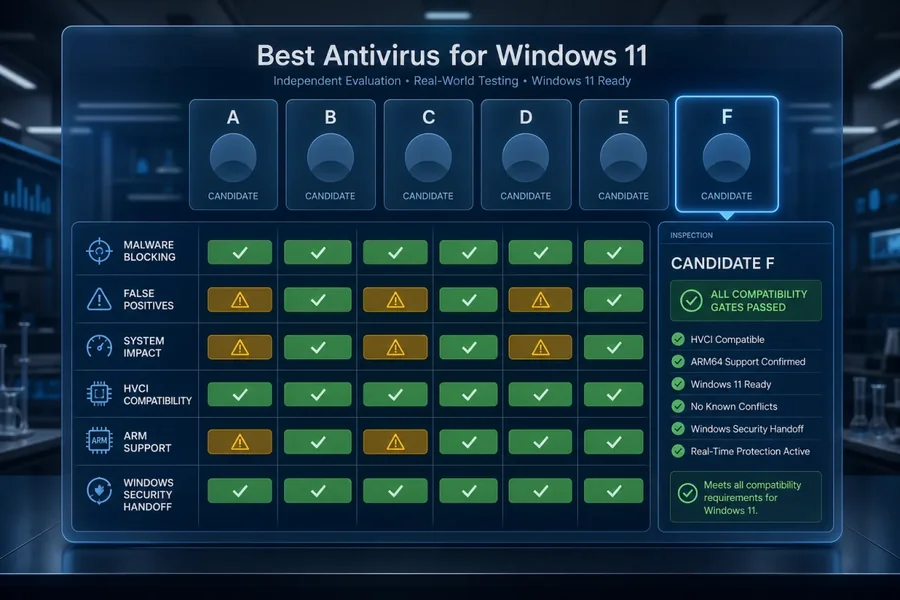
Best antivirus for Windows 11
March–April 2026 lab results, the Defender baseline and compatibility checks for current PCs.
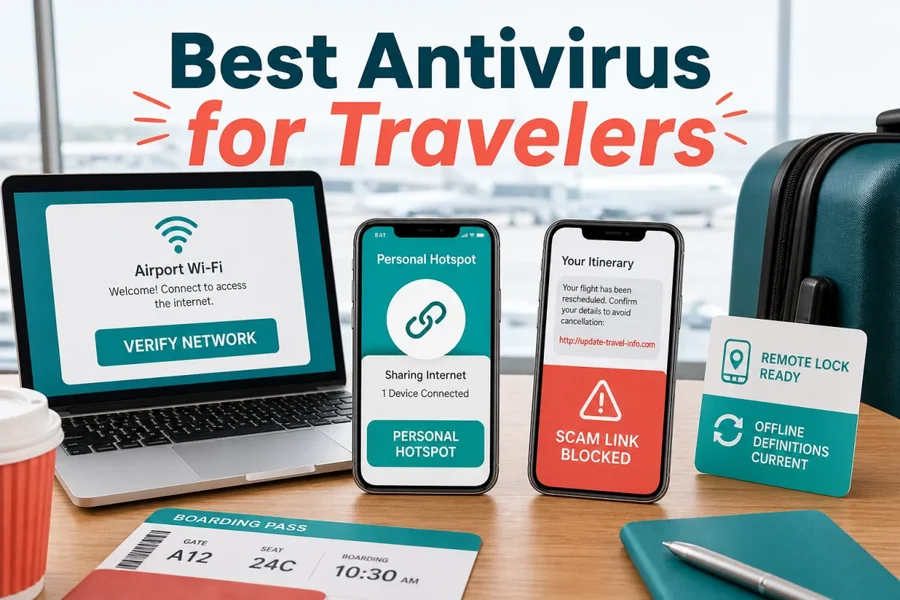
Best antivirus for travelers
Multi-device protection for unfamiliar networks, scam messages, offline use and device loss.
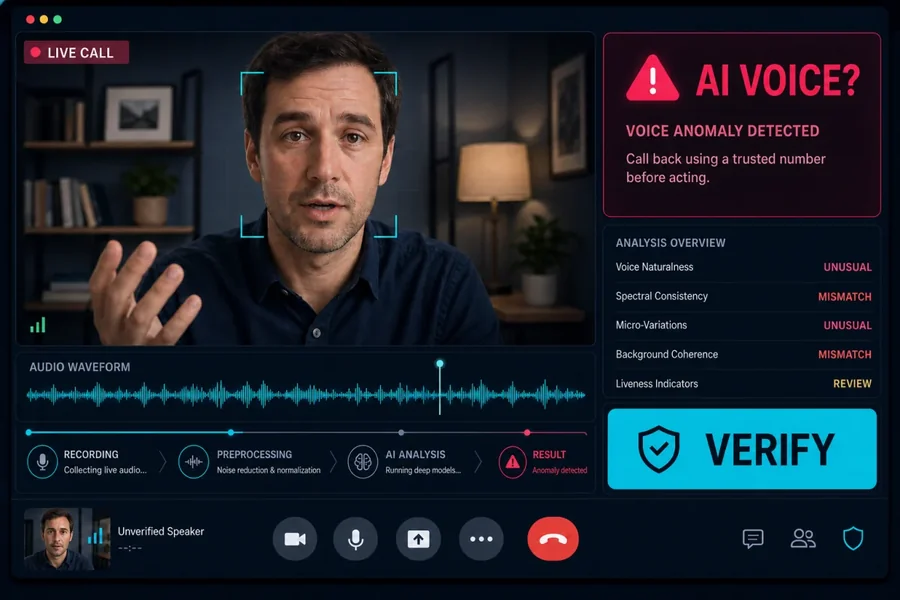
Deepfake protection tools
What automatic and manual detectors can do—and the hardware, language and platform limits that marketing skips.
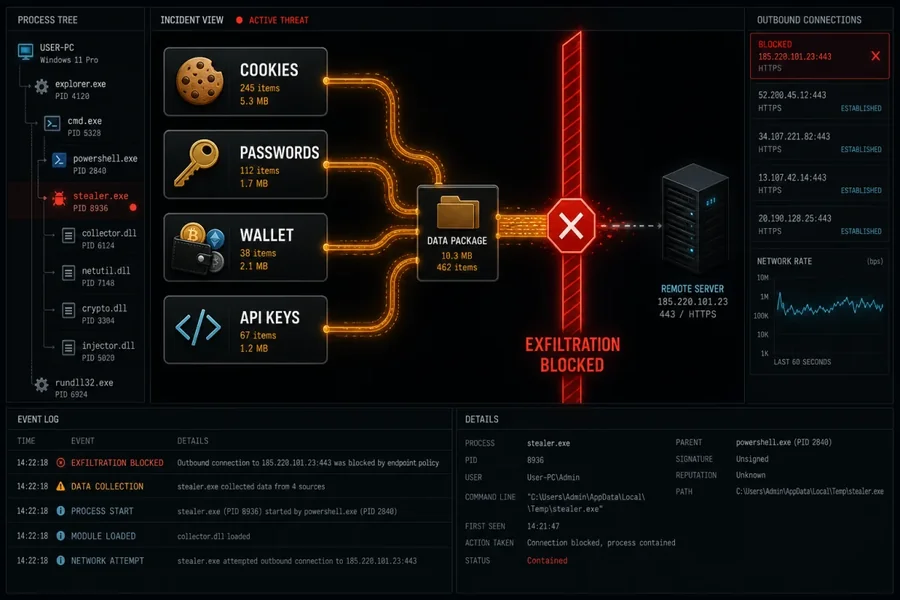
Infostealer protection
Defenses for the lure, loader and theft stages plus the account-recovery steps antivirus can't complete.
Owner guides for every product we cover
Reviews answer whether a product is worth buying. The guide library answers everything after the purchase: 362 articles across 24 vendor hubs on installing, renewal prices, false positives, performance fixes, cancellation and clean removal.
- Bitdefender9 guides
- Norton 3609 guides
- Microsoft Defender8 guides
- McAfee26 guides
- Malwarebytes21 guides
- ESET12 guides
- Kaspersky14 guides
- Avast13 guides
- AVG15 guides
- Avira14 guides
- TotalAV20 guides
- Trend Micro27 guides
- Panda Dome22 guides
- Sophos Home15 guides
- VIPRE15 guides
- Scanguard18 guides
- Webroot23 guides
- Intego18 guides
- MacKeeper21 guides
- Emsisoft15 guides
- PC Matic8 guides
- Spybot8 guides
- Zemana3 guides
- HitmanPro8 guides
Frequently asked questions about antivirus software
What is the best antivirus software in 2026?
Bitdefender Total Security is our best overall pick because it combines 99.5% protection in AV-Comparatives' February–May test, a perfect April AV-TEST total, five-device cross-platform coverage and a useful security feature set. Norton 360 Deluxe is better when a family will use its VPN, parental controls and cloud backup. Microsoft Defender is the best no-cost default for many updated Windows 11 PCs.
Is Microsoft Defender enough without another antivirus?
Yes for many careful Windows 11 users. Defender earned 6/6/6 at AV-TEST in April 2026 and recorded zero false alarms in AV-Comparatives' February–May report. Consider a paid suite when you need cross-platform family management, identity services, bundled VPN or backup, or a different web-protection and support experience.
Which antivirus had the best 2026 lab result?
There's no single lab winner across every metric. Kaspersky led AV-Comparatives Real-World Protection at 99.8%; Microsoft recorded the fewest false alarms at zero; McAfee had the lowest impact score at 3.3; and several products, including Bitdefender, Norton, Microsoft, McAfee, Avast and Kaspersky, earned 6/6/6 at AV-TEST in April. US users shouldn't choose Kaspersky because covered products and updates are prohibited there.
Does antivirus slow down a PC?
All real-time security uses some resources, but the effect varies. In AV-Comparatives' April 2026 low-end PC test, McAfee, Kaspersky, ESET, Trend Micro, Norton, Avast and AVG posted the lowest impact scores. The report is a controlled comparison; use a trial on your own hardware because storage, CPU, installed applications and scan settings change the result.
Is free antivirus as good as paid antivirus?
Free products can match paid suites for core malware protection. Microsoft Defender, Avast Free and AVG Free all earned 6/6/6 at AV-TEST in April 2026. Paid plans mainly add device coverage, VPN, parental controls, backup, identity monitoring, support and fewer upgrade limits. Pay only when those additions solve a real need.
Can I run two antivirus programs at the same time?
Don't run two full real-time antivirus products together. They can compete for file and network hooks, slow the machine and create quarantine conflicts. One registered real-time antivirus plus an on-demand second-opinion scanner can be reasonable, provided the second tool doesn't install another always-on engine.
Is Kaspersky safe and available in the United States?
Kaspersky continues to post strong independent lab results outside the US, but it isn't a viable US recommendation. The US Department of Commerce prohibited covered Kaspersky antivirus and cybersecurity products and services to US persons; covered updates and Kaspersky Security Network operation for US users ended after September 29, 2024. Existing consumers weren't assigned possession penalties, but BIS urged transition.
How often should I run a full antivirus scan?
Keep real-time protection enabled and let scheduled scans run. A monthly full scan is a reasonable default for a normal home PC, with an additional scan after suspicious behavior, risky downloads or a protection alert. Scan frequency doesn't replace updates, backups or incident recovery; a stolen browser session may require password and session revocation even after malware removal.
What should I check before buying antivirus?
Confirm the exact product tier, supported operating systems, device count, first-year price, published renewal terms, refund window and which features work on each platform. Then compare current protection, false-positive and performance results. Save the checkout terms and set a reminder before auto-renewal.
Continue with the comparison that matches your device
Browse all antivirus reviews, compare products side by side in the comparison directory, or narrow the choice with our guides to the best free antivirus, Windows antivirus, Mac antivirus, gaming PC security and internet security suites.
Editorial note: Lab figures and official US prices were rechecked on July 14, 2026. Offers can change. We use community discussions as directional experience, never as a substitute for independent testing, and we don't claim a hands-on result until the corresponding page's evidence has passed this restoration audit.